Studbooks
Studbook for Karoo dwarf tortoises (Chersobius boulengeri)
Aim
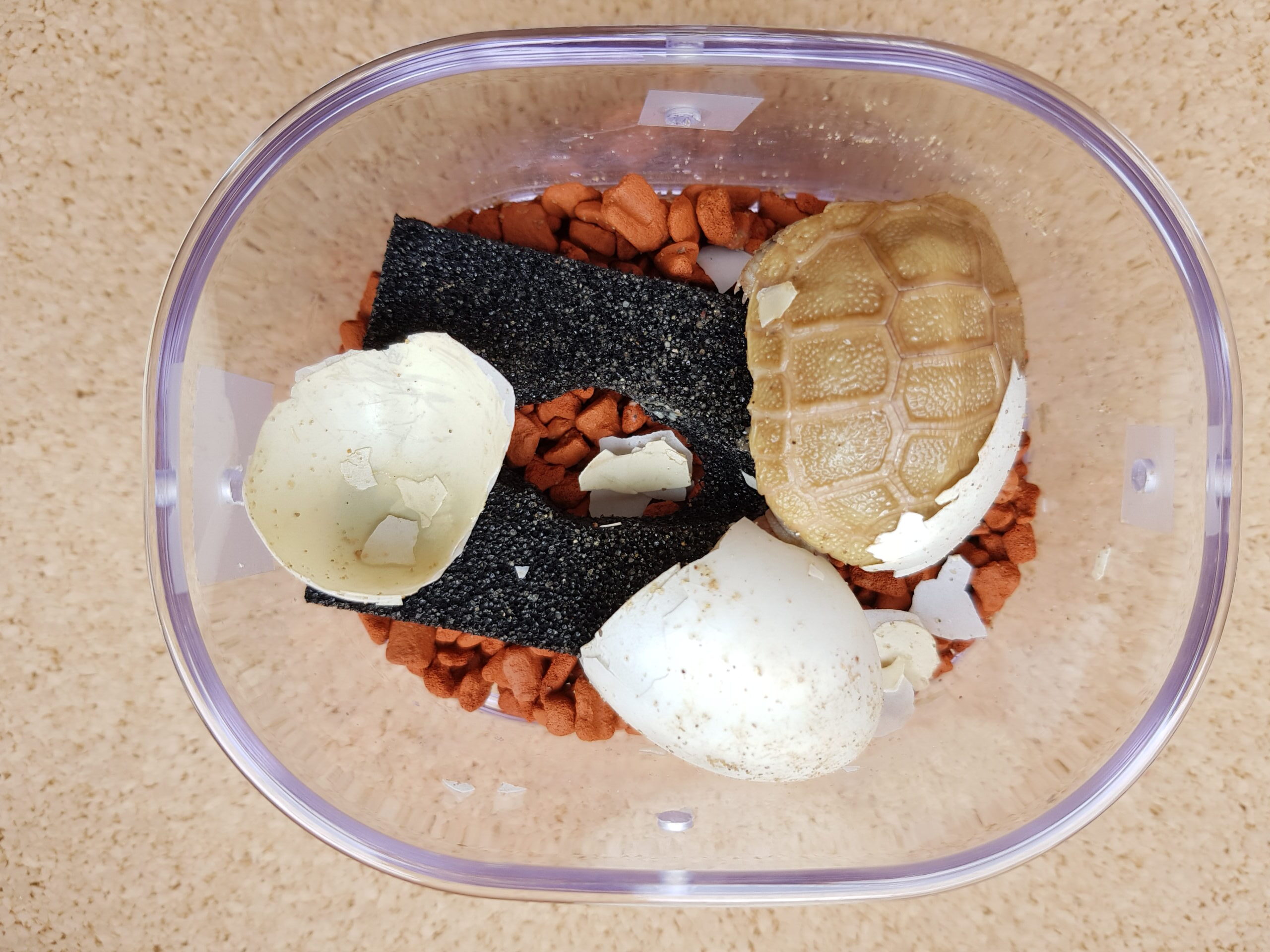
Generating information about reproduction, growth and longevity. The wild conservation status of the species is Endangered, so another aim is to develop the captive population to serve as source for introductions in the wild if the need would arise in the future.
Methods
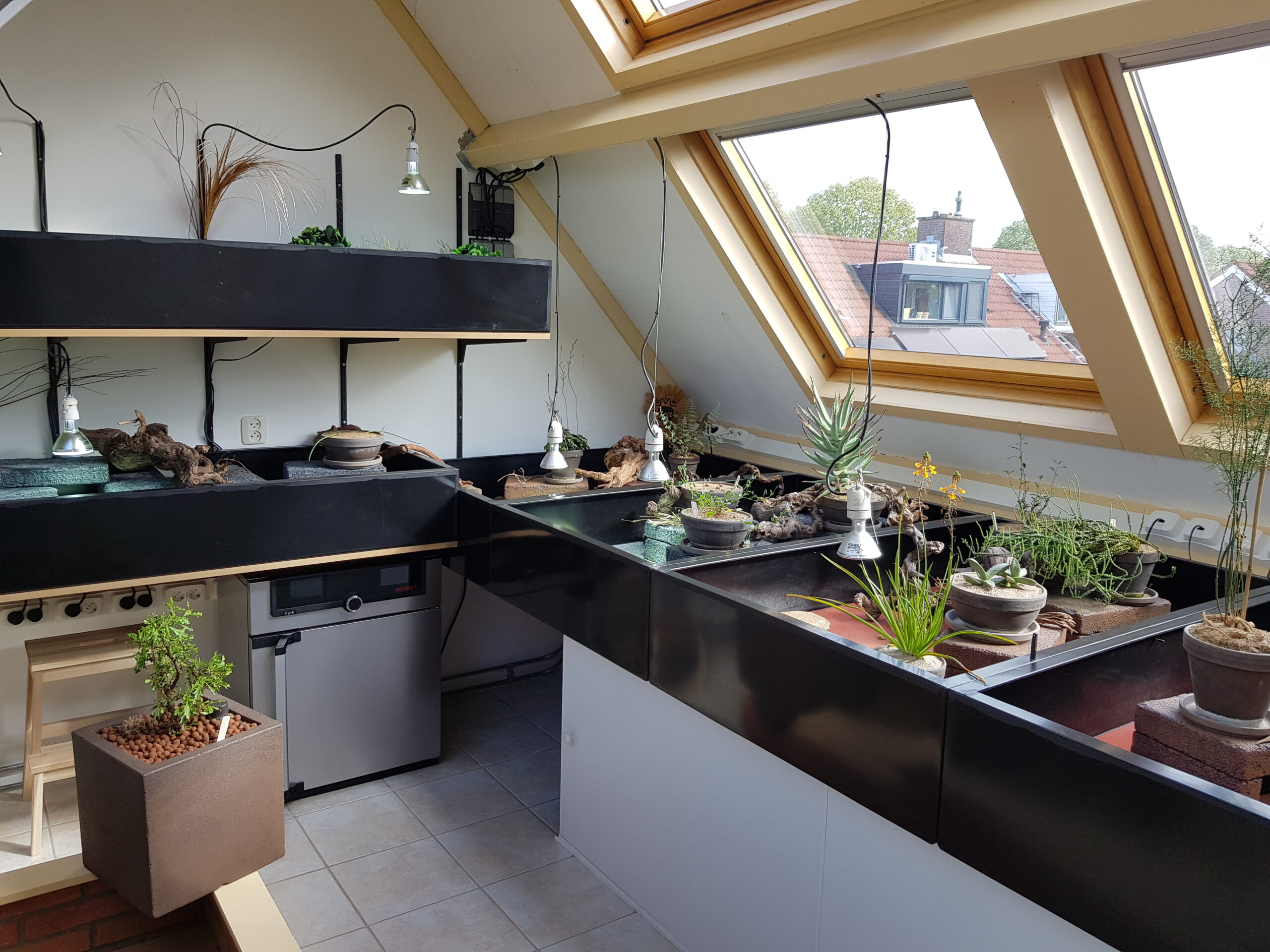
Tortoises owned by Dwarf Tortoise Conservation are loaned to private and zoo participants in the studbook. Participants make recordings of reproduction, growth and longevity. The population is registered in studbook software, and its genetics meticulously managed to ensure preservation of maximum genetic diversity. Population management follows a studbook management plan. Studbook coordinators decide, based on the studbook management plan, which tortoises will be housed where, and which tortoises may be bred.



Results
- Husbandry guidelines
-
Report collecting founders in 2024
- FREE DOWNLOAD Loehr, V.J.T. 2024. Bimodal nesting season in Karoo dwarf tortoises (Chersobius boulengeri). Wildlife Biology: e01380.
- FREE DOWNLOAD Loehr, V.J.T. 2023. Acclimation, husbandry and breeding of wild-caught Karoo dwarf tortoises, Chersobius boulengeri (Duerden, 1906). Radiata 32: 4-19.
- FREE DOWNLOAD Loehr, V.J.T. 2023. Eingewöhnung, Haltung und Nachzucht von Wildfängen der Karoo-Zwergschildkröte, Chersobius boulengeri (Duerden, 1906). Radiata 32: 4-19.
Media
- TV interview Karoo dwarf tortoises at Basel Zoo (source: BaselMedia)
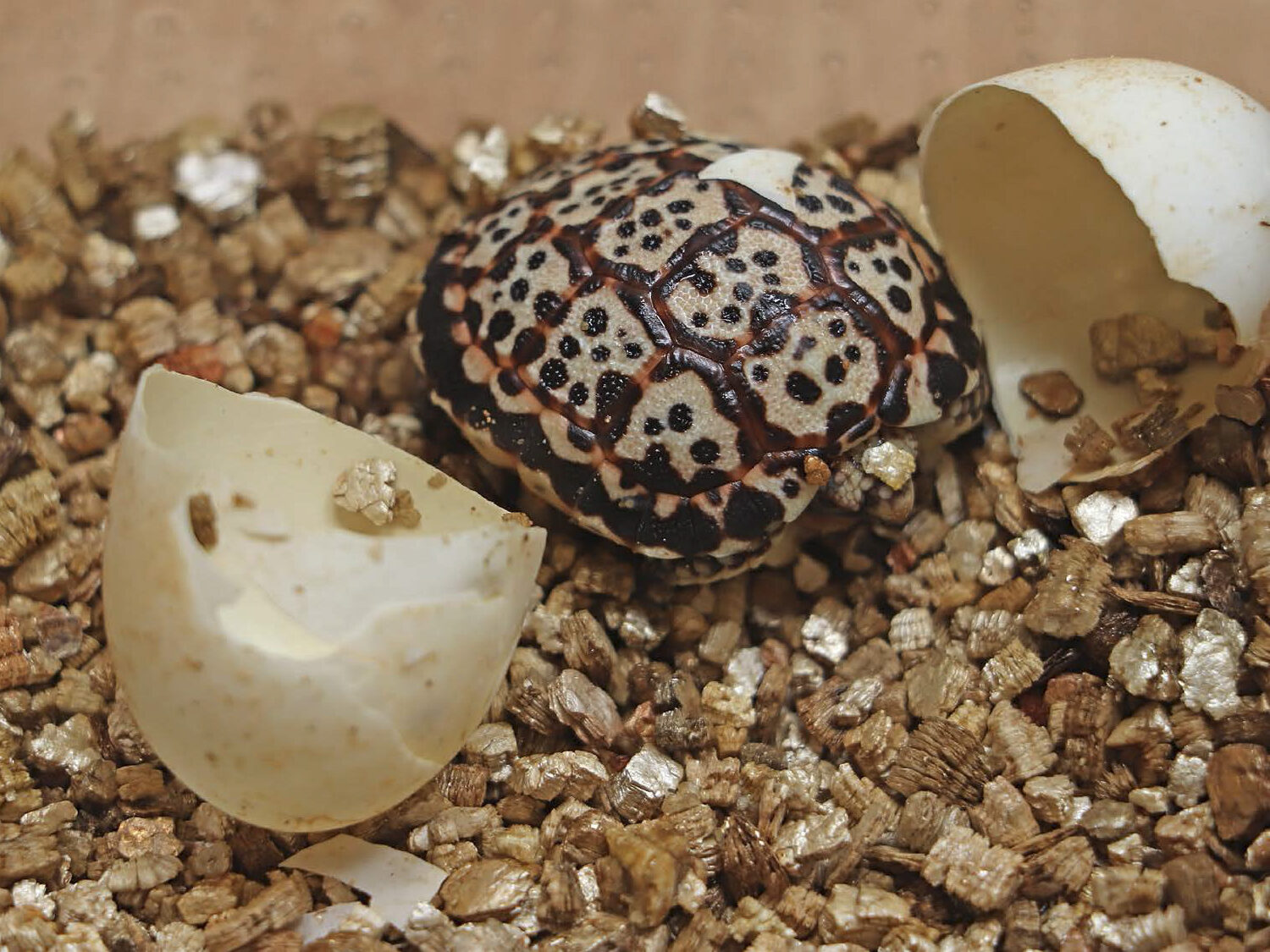
Studbook for speckled dwarf tortoises (Chersobius signatus)
Aim
Generating information about reproduction, growth and longevity. The wild conservation status of the species is Endangered, so another aim is to develop the captive population to serve as source for introductions in the wild if the need would arise in the future.
Methods
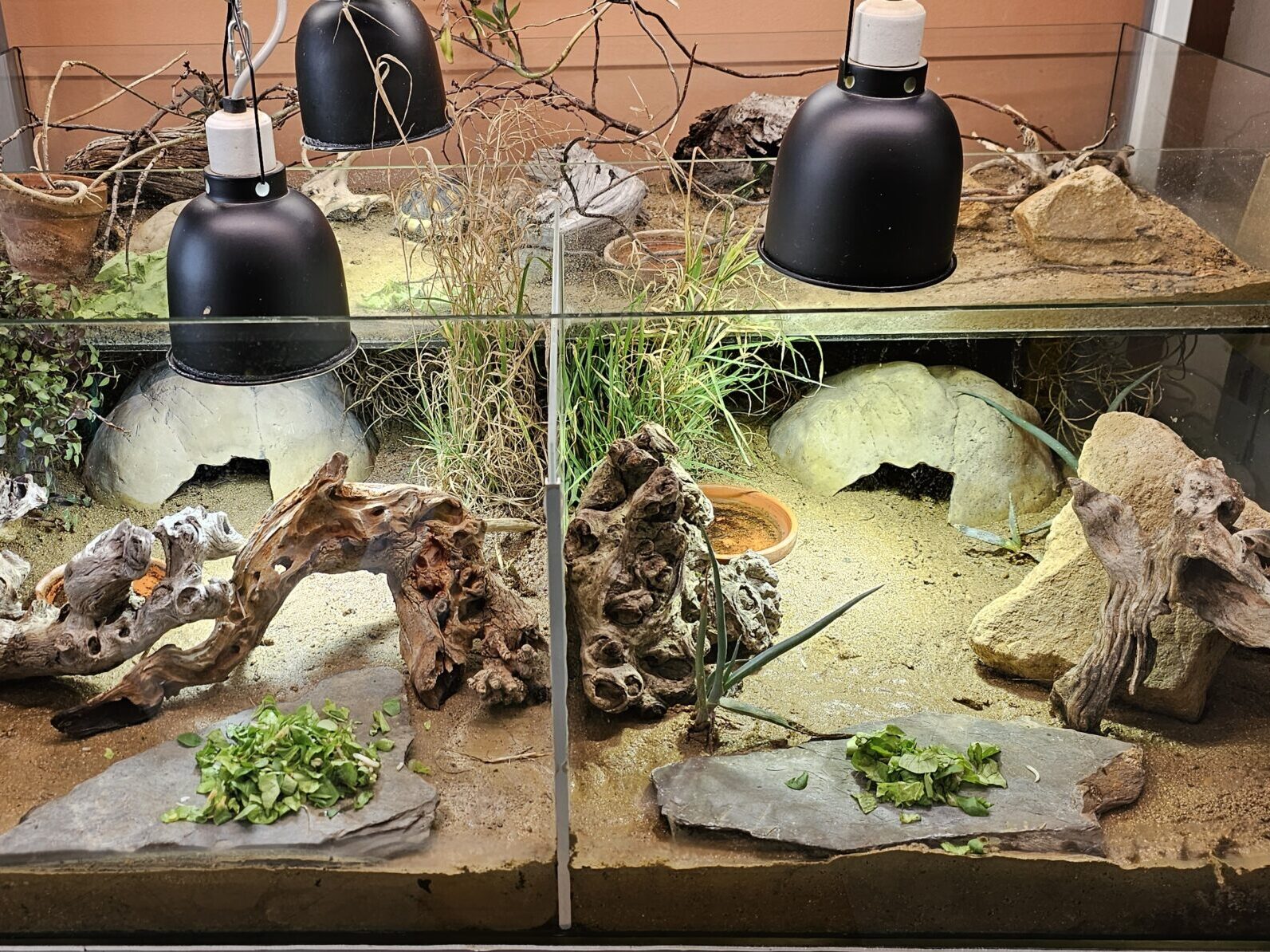
Tortoises owned by Dwarf Tortoise Conservation are loaned to private and zoo participants in the studbook. Participants make, and publish, recordings of reproduction, growth and longevity. The population is registered in studbook software, and its genetics meticulously managed to ensure preservation of maximum genetic diversity. Population management follows a studbook management plan. Studbook coordinators decide, based on the studbook management plan, which tortoises will be housed where, and which tortoises may be bred.






Results
- Husbandry guidelines
- Report collecting founders in 2015
-
Report collecting founders in 2024
- FREE DOWNLOAD Loehr, V.J.T. 1997. Homopus s. signatus, Namaqualand speckled padloper, captive breeding. African Herp News 26: 23-24. Published as a French translation in Tortuga 1999(2): 8-9.
- FREE DOWNLOAD Loehr, V.J.T. 1999. Dietary requirements of captive hatchling Namaqualand speckled padlopers (Homopus s. signatus). African Herp News 28: 23-26.
- FREE DOWNLOAD Loehr, V.J.T. 1999. Husbandry, behavior and captive breeding of the Namaqualand speckled padloper (Homopus s. signatus). Chelonian Conservation and Biology 3: 468-473.
- FREE DOWNLOAD Loehr, V.J.T. 1999. Photoperiod, temperatures and breeding in captive Namaqualand speckled padlopers, Homopus s. signatus. African Herp News 28: 27-28.
- FREE DOWNLOAD Loehr, V.J.T. 2001. Homopus s. signatus, Namaqualand speckled padloper, female mating activity. African Herp News 32: 17-18.
- FREE DOWNLOAD Klerks, M. 2002. Adapting the Namaqualand speckled padloper, Homopus signatus signatus, to captive conditions. Turtle and Tortoise Newsletter 6: 30-32.
- Loehr, V.J.T. 2002. Male aggression in captive Namaqualand speckled padlopers (Homopus s. signatus) . Bulletin of the Chicago Herpetological Society 37: 1.
- FREE DOWNLOAD Loehr, V.J.T. 2004. First recorded second generation breeding with the Namaqualand speckled padloper, Homopus signatus signatus. Radiata 13: 11-12.
- FREE DOWNLOAD Loehr, V.J.T. 2004. Homopus signatus signatus, Namaqualand speckled padloper. Aggressive Courtship Behaviour. African Herp News 37: 18-19.
- Saus, A. 2005. Beobachtungen zur Nahrungsaufnahme einer Nachzucht von Homopus signatus signatus in Relation zur Luftfeuchtigkeit. Schildkröten im Focus 2(1): 29-32.
- Loehr, V.J.T. 2006. Egg and hatchling characteristics of the Namaqualand speckled padloper (Homopus signatus signatus ): preliminary data from a captive population. Chelonii 4: 273-276
- Van Loon, F. 2008. Kweken met Homopus signatus signatus . Terra 44: 3-7.
- Kooijman, M. 2010. Darmobstructie bij een Namaqualand gespikkelde padloper (Homopus signatus signatus ) Gmelin, 1789. Trionyx 8: 138-145.
- FREE DOWNLOAD Stark, T. 2013. Homopus signatus (Gmelin, 1789), speckled padloper, diet. African Herp News 59: 19-21.
- Stark, T. 2013. De insectenetende gespikkelde padloper (Homopus signatus ) Gmelin, 1789. Trionyx 17: 56-58.
- Van Beest, A., Van den Brink, E. and Van Dam, P. 2014. De gespikkelde padloper (Homopus signatus Gmelin, 1789). Trionyx 12: 30-43.
- Loehr, V.J.T. 2015. Twenty years of husbandry and breeding of the speckled tortoise (Homopus signatus ) in a studbook: accomplishments and challenges for the future. The Batagur 5: 28-37.
- FREE DOWNLOAD Van Loon, F.H.A. 2018. Homopus signatus Gmelin, 1789, speckled padloper, two-egg clutching. African Herp News 67: 25-26.
- Loehr, V.J.T., Voogdt, C.G.P. and Nolan, D. 2019. Ultrastructure of eggshells from wild and captive speckled dwarf tortoises, Chersobius signatus. Herpetologica 75: 63-68.
- Galosi, L., Attili, A.R., Perrucci, S., Origgi, F.C., Tambella, A.M., Rossi, G., Cuteri, V., Napoleoni, M., Mandolini, M.A., Perugini, G. and Loehr, V.J.T. 2021. Health assessment of wild speckled dwarf tortoises, Chersobius signatus. BMC Veterinary Research 17: 102.
- Silva, S. 2021. Note sur l’élevage et la reproduction de l’Homopode marqué Chersobius signatus (Gmelin 1789). Chéloniens 55: 28-37.
- FREE DOWNLOAD Loehr, V.J.T. and Kooijman, M. 2023. Chersobius signatus (speckled dwarf tortoise). Survival rate. Herpetological Review 54: 584-585.
- Van Loon, F.H.A. 2024. Testudinidae, Chersobius signatus (Gmelin, 1789). Speckled padloper. Tick outbreak in a captive indoor European colony. African Herp News 85: 41-43.
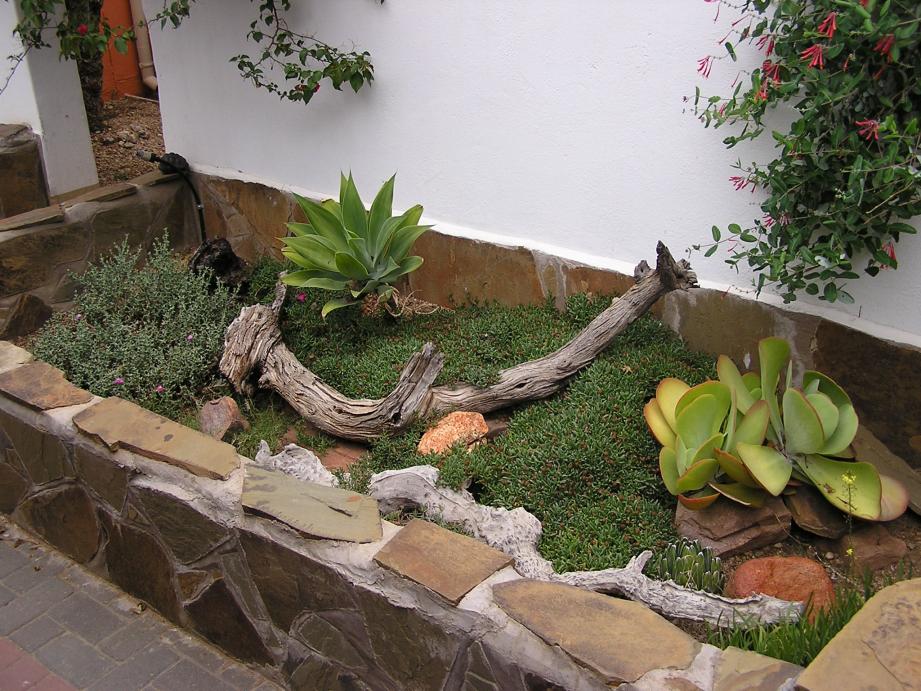
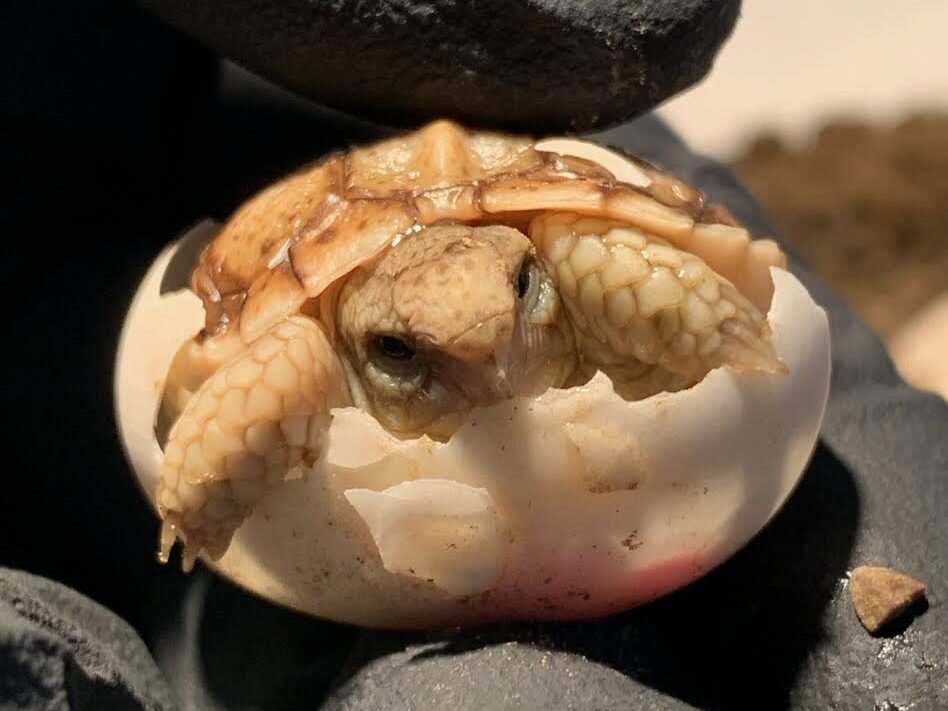
Studbook for parrot-beaked dwarf tortoises (Homopus areolatus)
Aim
Generating information about reproduction, growth and longevity. In addition, developing the captive population to avoid genetic disorders (i.e., maximising genetic diversity and limiting inbreeding). The wild
conservation status of the species is Least Concern, so it is highly unlikely that the studbook will need to serve as source for introductions in the wild.
Methods
Some tortoises are owned by Dwarf Tortoise Conservation and are loaned to private participants in the studbook, but the majority of tortoises is privately-owned. Participants make, and publish, recordings of reproduction, growth
and longevity. The population is registered in studbook software. Population management is recommended in a studbook management plan, but participants decide which tortoises will be housed where, and which tortoises will be bred.
Results
-
Husbandry guidelines
- Schleicher, A. 2005. Homopus areolatus, the parrot-beaked tortoise: natural history, captive care, and breeding. Reptilia 43: 26-30.
- Reck, M. and Reck-Ringgenberg, S. 2013. Erfahrungen bei der Haltung und Fortpflanzung der Areolen-Flachschildkröte (Homopus areolatus) unter unterschiedlichen Bedingungen in Namibia und in der Schweiz. Marginata 36: 41-48.
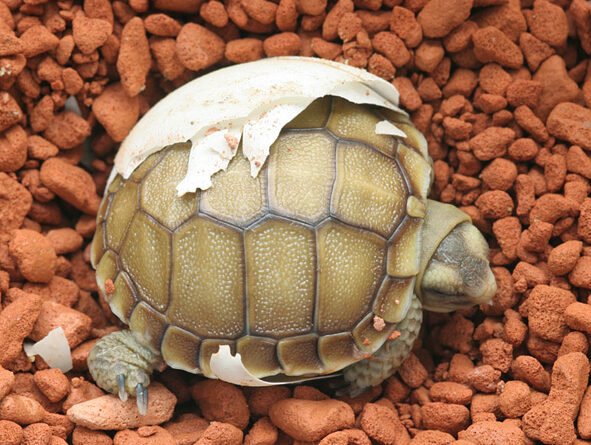
Studbook for greater dwarf tortoises (Homopus femoralis)
Aim
Generating information about reproduction, growth and longevity. The wild conservation status of the species is Least Concern, so it is highly unlikely that the studbook will need to serve as source for introductions
in the wild.
Methods
Tortoises owned by Dwarf Tortoise Conservation are loaned to private and zoo participants in the studbook. Participants make, and publish, recordings of reproduction, growth and longevity. The population is registered in studbook
software. Studbook coordinators decide which tortoises will be housed where, and which tortoises may be bred.

Results
-
Husbandry guidelines
- Loehr, V.J.T. 2009. First captive breeding of the greater padloper, Homopus femoralis. Turtle and Tortoise Newsletter 13: 21-24.
- Loehr, V.J.T. 2009. The greater padloper (Homopus femoralis) in captivity: an assessment of husbandry feasibility. Radiata 18: 23-32.
- Van Loon, F. 2010. “Groot padloper” in het terrarium (Homopus femoralis) Boulenger, 1888. Trionyx 8: 2-10.
- FREE DOWNLOAD Loehr, V.J.T. 2019. Homopus femoralis (greater padloper). Reproduction and growth. Herpetological Review 50: 517-518.